Eskom unbundling plan could be ‘major setback’ for electricity reform – Busa

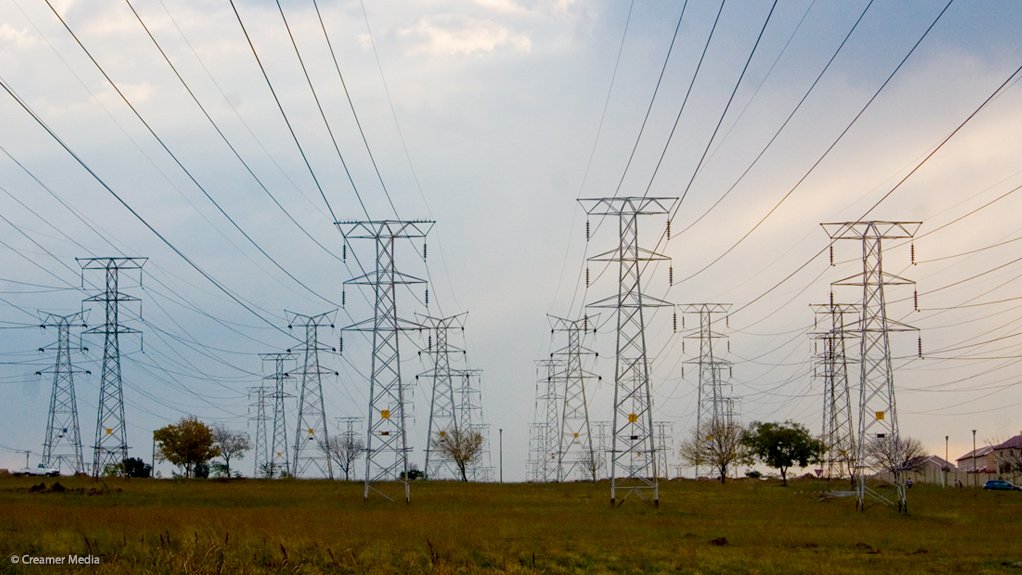


Business Unity South Africa (Busa) has expressed concern that the Eskom unbundling plan announced in December might represent a “major setback” for the reforms under way in the electricity sector and is seeking urgent clarity as to why the policymaker has endorsed the plan.
CEO Khulekani Mathe tells Engineering News that organised business was taken by surprise by the announcement that the National Transmission Company South Africa would remain an Eskom Holdings subsidiary and that the transmission assets would not be transferred to a new Transmission System Operator (TSO) being set up outside of Eskom.
“From our perspective, that constitutes a departure from the agreed reform trajectory,” Mathe said in an interview.
He also confirmed that the unbundling model had not been canvassed with business before being announced by Eskom and Electricity and Energy Minister Dr Kgosientsho Ramokgopa and that there was also no indication that the plan had received Cabinet approval.
This reality arguably explained the latest Operation Vulindela quarterly report describing Eskom’s restructuring as a reform area “facing significant challenges”. Operation Vulindela is a joint initiative of the Presidency and the National Treasury which is driving the country’s economic reform agenda.
Busa and Business Leadership South Africa reached out to the Minister to seek clarity and a meeting was held in early January, where the department outlined its position that the plan was in keeping with the Electricity Regulation Amendment Act, which set a five-year timeframe for the creation of a TSO.
The Minister also committed to providing further details on the research that had informed the decision, and a subsequent presentation was made to business by Kearney, which had acted as Eskom’s transaction adviser on the matter.
The unbundling plan endorsed by Eskom and the department centred on avoiding any potential for creditor cross-defaults that could be triggered should the transmission assets be transferred out of Eskom Holdings at a time when the entity still carried debt of more than R400-billion. In addition, it was calculated that Eskom would need to receive some R100-billion in compensation for the assets, which would place pressure on the fiscus.
Mathe said it became apparent, however, that the department had not conducted any of its own analysis of the unbundling options and had instead decided to endorse Eskom’s plan, bringing to the fore the moral hazard that had emerged now that the Department of Electricity and Energy was both the policy department and Eskom shareholder ministry.
Business, thus, left the meeting unsatisfied that all the restructuring permutations had been fully explored.
Busa was also concerned that the information provided contradicted some of the messages it was receiving from members that were also Eskom creditors. These members disputed Eskom’s argument that bondholders were concerned about the prospect of Eskom defaulting on its debt should the assets be transferred.
The issue was meant to have been fully aired during a meeting with Eskom creditors on February 2, but some interested and affected parties were unable to access the call, owing to a technical problem. Eskom told News24 that the call had been rescheduled for February 5.
Business was also concerned that the unbundling model failed to address the conflict-of-interest concerns being raised in relation to Eskom Holdings’ retention of the grid assets.
There are warnings, for instance, that this could distort decisions on what and where new grid infrastructure is built and what upgrades should be prioritised. In addition, it would raise questions about whether grid access was truly being granted on a non-discriminatory basis.
In a context where significant investment was required to ensure security of supply, particularly as coal plants were retired, business was also apprehensive that the unbundling model selected could reduce investor appetite.
Mathe told Engineering News that these concerns were not allayed at either of the meetings and that business had, thus, raised the issue “sharply” during the most recent meeting of the Government Business Partnership on January 27.
“I don't think we are at a point where we can say we found each other,” Mathe said, while indicating that Busa would continue to seek clarity as a matter of urgency.
“It may be some time before there is finality, but we certainly do intend to continue putting pressure, because we think that this could be a major setback to the reform process.”
Article Enquiry
Email Article
Save Article
Feedback
To advertise email advertising@creamermedia.co.za or click here

Projects
Latest Multimedia

Latest News

Showroom
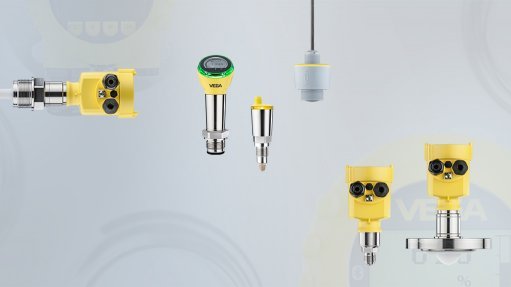
For over 60 years, VEGA has provided industry-leading products for the measurement of level, density, weight and pressure. As the inventor of the...
VISIT SHOWROOM
Rooted in the hearts of South Africans, combining technology and a quest for perfection to bring you a battery of peerless standing. Willard...
VISIT SHOWROOM
Press Office
Announcements
What's On
Subscribe to improve your user experience...
Option 1 (equivalent of R125 a month):
Receive a weekly copy of Creamer Media's Engineering News & Mining Weekly magazine
(print copy for those in South Africa and e-magazine for those outside of South Africa)
Receive daily email newsletters
Access to full search results
Access archive of magazine back copies
Access to Projects in Progress
Access to ONE Research Report of your choice in PDF format
Option 2 (equivalent of R375 a month):
All benefits from Option 1
PLUS
Access to Creamer Media's Research Channel Africa for ALL Research Reports, in PDF format, on various industrial and mining sectors
including Electricity; Water; Energy Transition; Hydrogen; Roads, Rail and Ports; Coal; Gold; Platinum; Battery Metals; etc.
Already a subscriber?
Forgotten your password?
Receive weekly copy of Creamer Media's Engineering News & Mining Weekly magazine (print copy for those in South Africa and e-magazine for those outside of South Africa)
➕
Recieve daily email newsletters
➕
Access to full search results
➕
Access archive of magazine back copies
➕
Access to Projects in Progress
➕
Access to ONE Research Report of your choice in PDF format
RESEARCH CHANNEL AFRICA
R4500 (equivalent of R375 a month)
SUBSCRIBEAll benefits from Option 1
➕
Access to Creamer Media's Research Channel Africa for ALL Research Reports on various industrial and mining sectors, in PDF format, including on:
Electricity
➕
Water
➕
Energy Transition
➕
Hydrogen
➕
Roads, Rail and Ports
➕
Coal
➕
Gold
➕
Platinum
➕
Battery Metals
➕
etc.
Receive all benefits from Option 1 or Option 2 delivered to numerous people at your company
➕
Multiple User names and Passwords for simultaneous log-ins
➕
Intranet integration access to all in your organisation